


Frontiers in Science Deep Dive webinar
Obesity and climate change: co-crises with common solutions
5 March 2026
Explore how we can change our obesogenic, unsustainable food environments to achieve healthier, more sustainable outcomes for people and the planet.
Speakers
-

Prof Jeff Holly
University of Bristol, UK
-
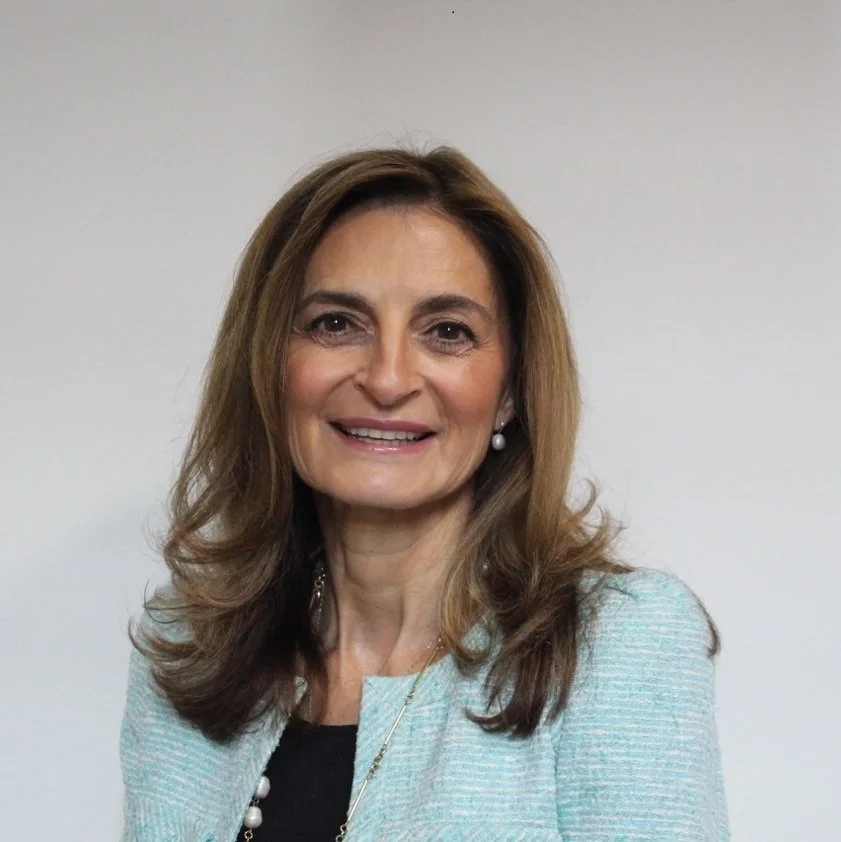
Prof Katherine Samaras
St Vincent's Hospital Sydney, Australia
-

Prof Paul Behrens
University of Oxford, UK
-

Prof Jason C G Halford
University of Leeds, UK

-

Magdalena Wetzel
World Obesity Federation, UK
A call to transform food systems for the health of people and the planet
At this webinar, the authors of a Frontiers in Science lead article examined how energy-dense, ultra-processed food (UPF)-dominated diets and industrial food systems drive both rising obesity and the climate crisis.
The article also highlights why reliance on medical and surgical treatments alone cannot curb obesity at the population level, and why food system transformation is essential for long-term, sustained health outcomes.
The authors and an expert panel discussed evidence-based strategies to tackle unsustainable industrial food systems that promote overconsumption and drive environmental pressures. These include shifting consumption toward minimally processed, high-fiber, plant-rich foods and using economic arguments, interdisciplinary scientific advocacy, and coalition building to overcome political and commercial barriers to change.
Agenda
Introduction
Deep Dive and methodology
Next steps and looking to the future
Panel discussion and Q&A
Speaker and contributor bios
-
Jeff Holly
Professor of Clinical Science
University of Bristol, UKProf Jeff Holly is a leading expert on the endocrine and metabolic drivers of obesity as a complex, systemic disease. His research on insulin-like growth factors (IGFs) and IGF-binding proteins in chronic human disease has shaped our understanding of how IGF signaling intersects with cancer risk, obesity, and endocrine dysfunction.
Jeff has contributed to influential work examining the interplay between obesity, diabetes and COVID-19, and more recently to interdisciplinary analyses linking obesity with climate change as interconnected global crises. A champion of systems-level solutions, he combines clinical insight with translational science and policy engagement to inform evidence-based strategies that improve both human and planetary health. He is Field Chief Editor of Frontiers in Endocrinology.
-
Paul Behrens
British Academy Global Professor
University of Oxford, UKProf Paul Behrens is a professor at the University of Oxford and Leiden University, where he works at the intersection of environmental science, economics and public policy. His pioneering research focuses on the environmental impacts of food systems and how dietary change, energy transitions, and shifts in production systems can deliver major climate and health co-benefits. His work has made headline news and won him the title of the 2023 Frontiers Planet Prize International Champion.
A passionate scientific communicator, Paul’s voice has informed international debates on sustainable diets and planetary boundaries, helping to shape evidence-based pathways toward food systems that support both human and planetary health.
-
Katherine Samaras
Professor of Medicine
St Vincent's Hospital Sydney, University of New South Wales, AustraliaProf Katherine Samaras is a consultant physician and endocrinologist at St Vincent's Hospital Sydney where she is the founder and director of the Australian Centre for Metabolic Health. Her research focuses on how healthy ageing is affected by diabetes and metabolism, particularly brain ageing and dementia. She is also lab leader for the Clinical Obesity, Nutrition and Adipose Biology Lab at the Garvan Institute of Medical Research.
Katherine has led pioneering work clarifying the clinical consequences of visceral adiposity and the metabolic benefits of weight loss interventions, including bariatric surgery. Through translational research and clinical leadership, she has helped redefine obesity as a complex, systemic disease and advanced evidence-based strategies to improve long-term metabolic and cardiovascular health.
-
Jason C G Halford
Professor of Biological Psychology and Health Behaviours
University of Leeds, UKProf Jason Halford’s research explores the psychological and neurobiological mechanisms that drive appetite, food choice, and weight management—with a particular focus on approaches such as meal replacements, dietary fiber and protein supplementation to boost satiety.
A leading authority on appetite regulation and obesity, Jason’s work has informed public health policy on food advertising to children and strengthened the evidence base for system-level approaches to tackling obesity. He has worked extensively with patient groups, policy makers, NGOs, and the World Health Organization. Jason is past President of the European Association for the Study of Obesity (EASO) and former Chair of the UK Association for the Study of Obesity (ASO).
-
Magdalena Wetzel
Head of Policy & Advocacy
World Obesity Federation, UKMagdalena Wetzel leads global efforts to advance evidence-based policies to prevent and address obesity at the World Obesity Federation. Her work focuses on translating scientific research into actionable policy, strengthening political commitment, and supporting countries to implement systems-based approaches to obesity prevention and care.
Maggie has previously held roles within the Argentine National Congress, the United Nations Programme for Development, and World Cancer Research Fund International. She has played a key role in shaping international advocacy strategies that frame obesity as a complex, chronic disease requiring coordinated action across health, food, economic, and environmental systems. Through coalition-building and engagement with governments and multilateral organizations, she works to elevate obesity on the global health and sustainable development agenda.