

Frontiers in Science Deep Dive webinar
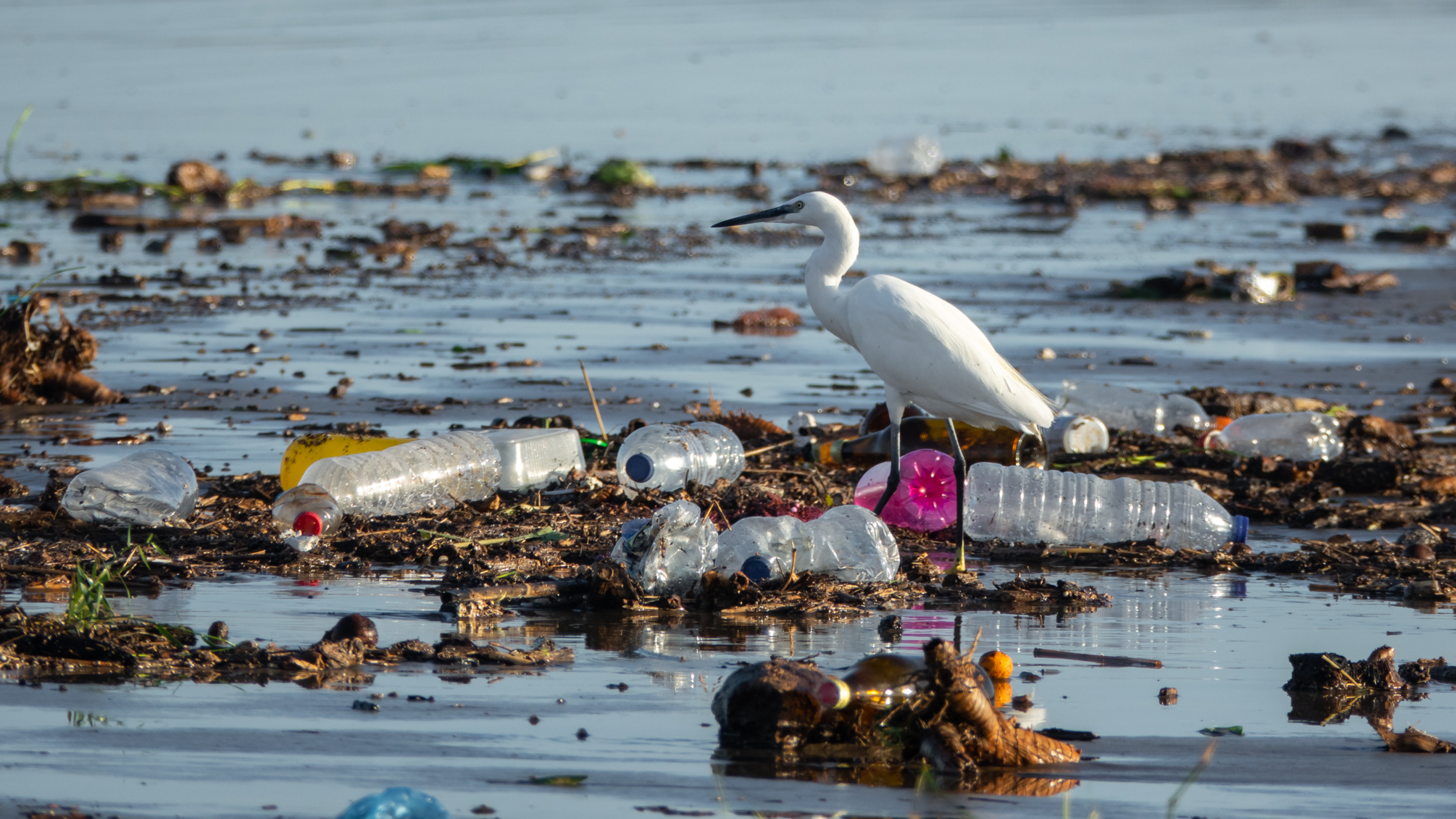
Plastic pollution under the influence of climate change
28 January 2026
Explore how the climate crisis exacerbates plastic pollution—affecting the distribution, exposure, and impacts of plastics across ecosystems—and the actions needed to drive future solutions and systemic change.

Speakers
-

Prof Frank Kelly
Imperial College London, United Kingdom
-
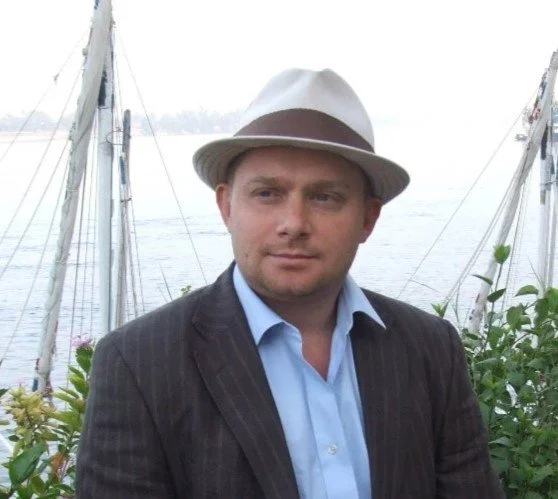
Prof Guy Woodward
Imperial College London, United Kingdom
-

Dr Stephanie Wright
Imperial College London, United Kingdom
-

Dr Anja Brandon
Ocean Conservancy, USA
-
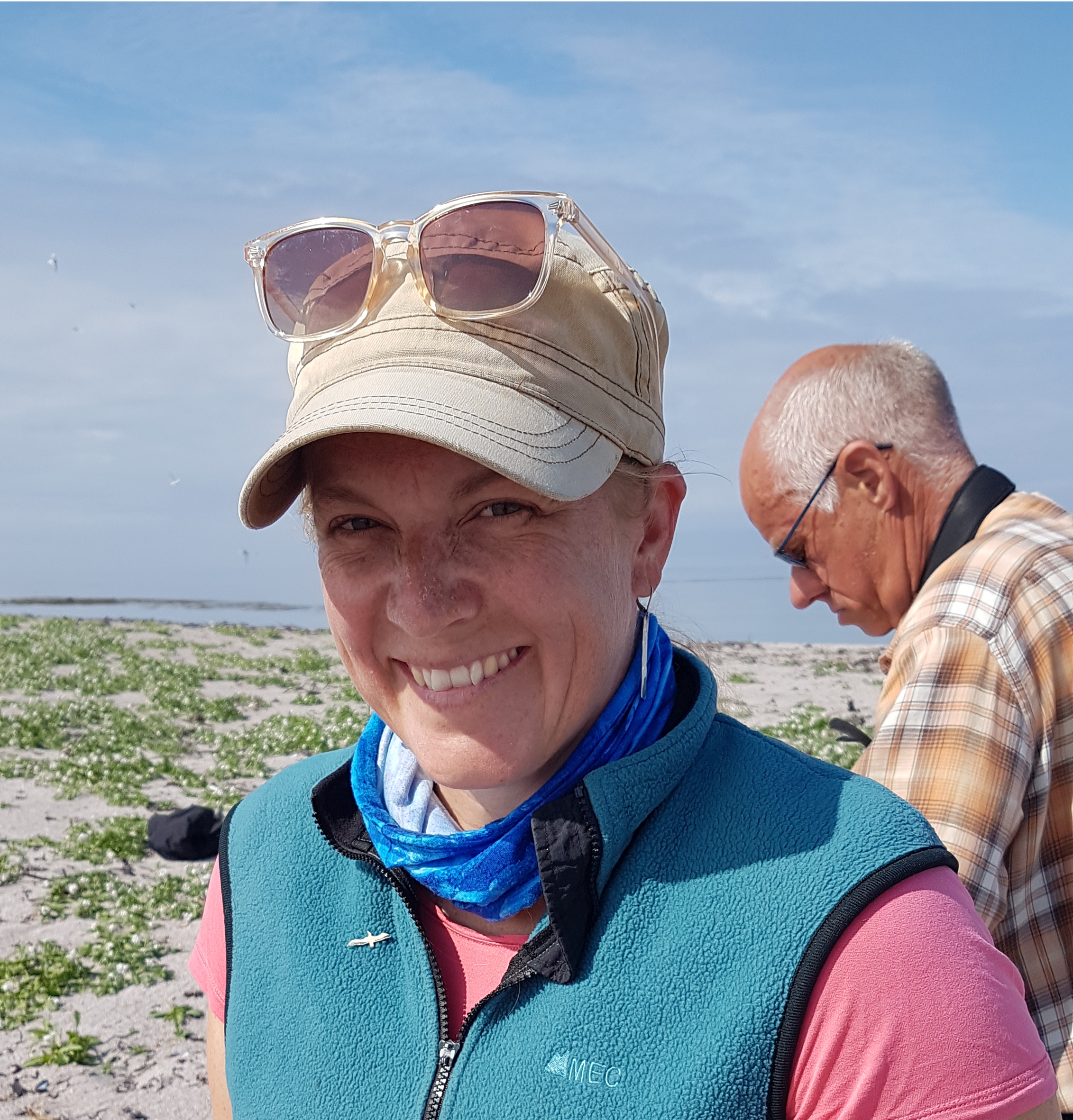
Dr Jennifer Provencher
Environment and Climate Change Canada, Canada

Implications for terrestrial and aquatic ecosystems
The authors of a Frontiers in Science lead article outlined how intensifying climate stressors—such as rising temperatures, increased UV radiation, and elevated humidity—accelerate plastic degradation, mobility, and toxicity. These processes increase microplastic release, with consequences spanning terrestrial, freshwater, and marine ecosystems.
The authors called for urgent coordinated global action to mitigate plastic pollution and prevent further ecological damage. Recommended measures include eliminating single-use plastics, limiting virgin plastic production, and establishing global standards for safe, reusable, and recyclable plastics.
The authors and an expert panel discussed future research, innovation, and policy actions—including material and waste management, evidence-based governance, and public engagement—to advance global frameworks such as the UN plastics treaty.
Agenda
Introduction
Deep Dive and methodology
Next steps and looking to the future
Panel discussion and Q&A
Speaker and contributor bios
-
Frank Kelly
Professor of Community Health and Policy
Imperial College London, UKProf Frank Kelly holds the inaugural Humphrey Battcock Chair in Community Health and Policy at Imperial College London and is director of the Environmental Research Group, a leading center for air and water quality and pollution research. The group supports policies and actions to minimize health effects associated with poor air and water quality.
Frank has published over 470 peer-reviewed publications on the toxicology and health effects of ozone, nitrogen dioxide, and particulate pollution. He has played a pivotal role in translating environmental health science into policy and currently provides advisory support to the World Health Organization on air pollution. Frank was past chair of COMEAP, the UK Department of Health’s expert Committee on the Medical Effects of Air Pollutants, and past president of the European Society for Free Radical Research.
-
Stephanie Wright
Associate Professor
Imperial College London, UKDr Stephanie Wright is a lecturer in environmental toxicology at Imperial College London and leads the microplastics team within the Environmental Research Group at the Medical Research Council (MRC) Centre for Environment and Health. Her research focuses on understanding how micro- and nanoplastic exposure affects human health and disease with particular emphasis on airborne plastics, respiratory toxicology, and more broadly includes micro- and nanoplastic detection, characterization and quantification in the atmospheric environment and human tissues.
Stephanie has contributed to World Health Organization and European Commission working groups, supports evidence-based policy change, and serves on the editorial board of the Microplastics and Nanoplastics journal.
-
Guy Woodward
Professor of Ecology
Imperial College London, UKProf Guy Woodward is a professor of ecology at Imperial College London and an internationally recognized expert in freshwater and aquatic ecosystem science. His research focuses on how multiple stressors—including climate change, chemical pollution, acidification, species invasions, and habitat alteration—reshape the structure and functioning of aquatic food webs and ecosystems. He is particularly known for applying metabolic theory and allometric scaling to understand ecological networks, revealing how body size and temperature govern ecosystem dynamics from individuals to apex predators.
Guy leads the Natural Environment Research Council (NERC) Emerging Risks of Chemicals in the Environment (ERCITE) program and serves on the board of directors of the Freshwater Biological Association.
-
Anja Brandon
Director of Plastics Policy
Ocean Conservancy, USADr Anja Brandon is a leading plastics policy expert specializing in plastics pollution and waste management. As director of plastics policy at Ocean Conservancy her work bridges environmental engineering, material science, and public policy to advance ambitious, science-based solutions to eliminate plastic pollution at the state, federal, and international level.
Anja has been instrumental in drafting landmark state and national plastics legislation, including California’s SB 54, and was named one of Fast Company’s Most Creative People in 2023 for this achievement. Trained as an environmental engineer and materials scientist, she has conducted laboratory and field research on plastic degradation and microplastic pollution. Prior to joining Ocean Conservancy, Anja was the AGU/AAAS Congressional Science Fellow in the office of U.S. Senator Jeff Merkley (D-OR), where she was the lead policy advisor.
-
Jennifer Provencher
Research Scientist
Environment and Climate Change Canada. CanadaDr Jennifer Provencher is a research scientist in the Ecotoxicology and Wildlife Health Division at Environment and Climate Change Canada. Her research focuses on wildlife health, with particular emphasis on plastic pollution, contaminants, pathogens, and their cumulative effects on Arctic and Canadian ecosystems. Working closely with Indigenous, federal, provincial, and territorial partners, she investigates the fate and biological impacts of plastics across marine, freshwater, and terrestrial environments.
Jennifer leads the long-term seabird contaminants project under Canada’s Northern Contaminants Program and co-chairs the Arctic Monitoring and Assessment Programme’s Litter and Microplastics Expert Group. Her work has been central to advancing understanding of plastic pollution in the Arctic.