
Speaker on Demand (edit page)
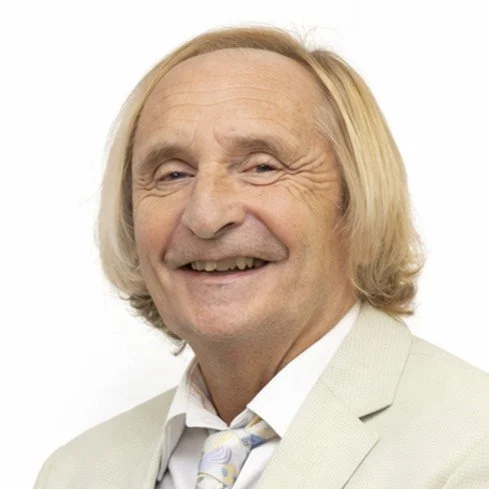
Enhancing soil science research with multi-agent artificial intelligence systems
Prof Alex McBratney explores how AI tools can revolutionize soil science, helping researchers better understand and adapt soils—and the systems they nurture—to a changing climate.
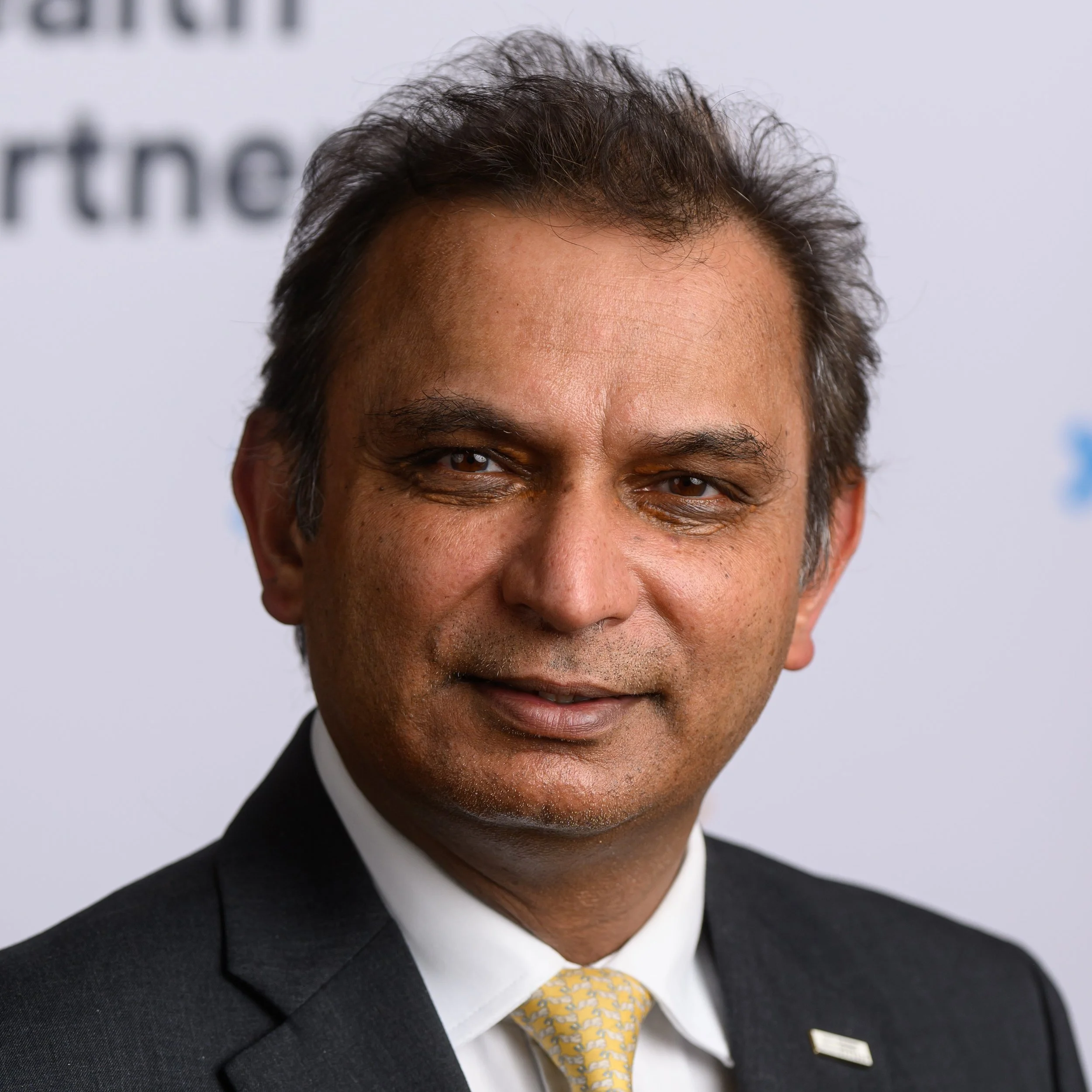
Evolving surgical teams in the age of artificial intelligence and robotics
Prof Prokar Dasgupta explores how AI-embodied surgical robots can revolutionize surgical practice—and the implications for clinicians, researchers, regulation, and healthcare systems.
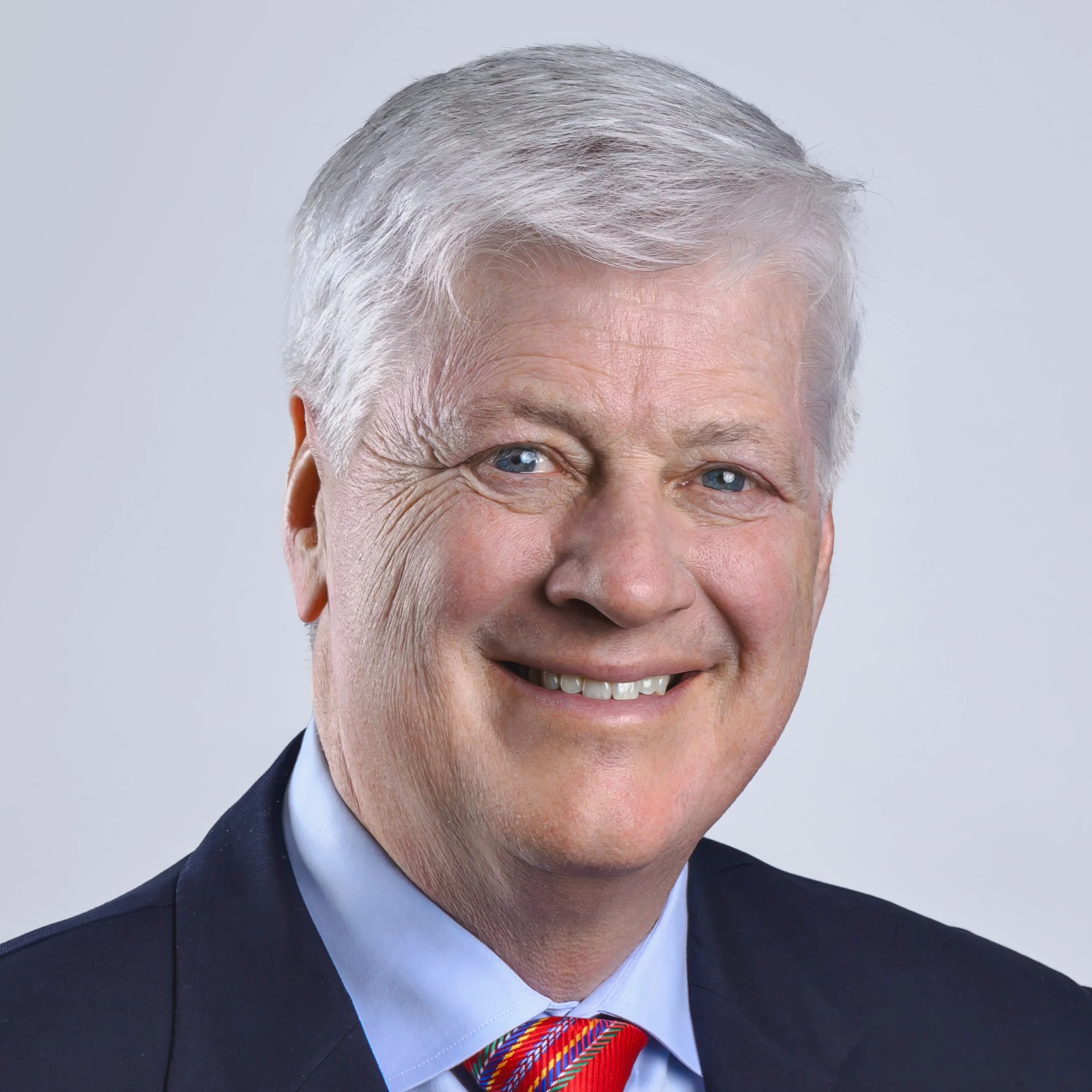
Nature Positive: halting and reversing biodiversity loss toward restoring Earth system stability
Dr Harvey Locke explores how a “Nature Positive” approach can halt and reverse the global decline in biodiversity and help to prevent the destabilization of Earth’s systems that support human well-being.
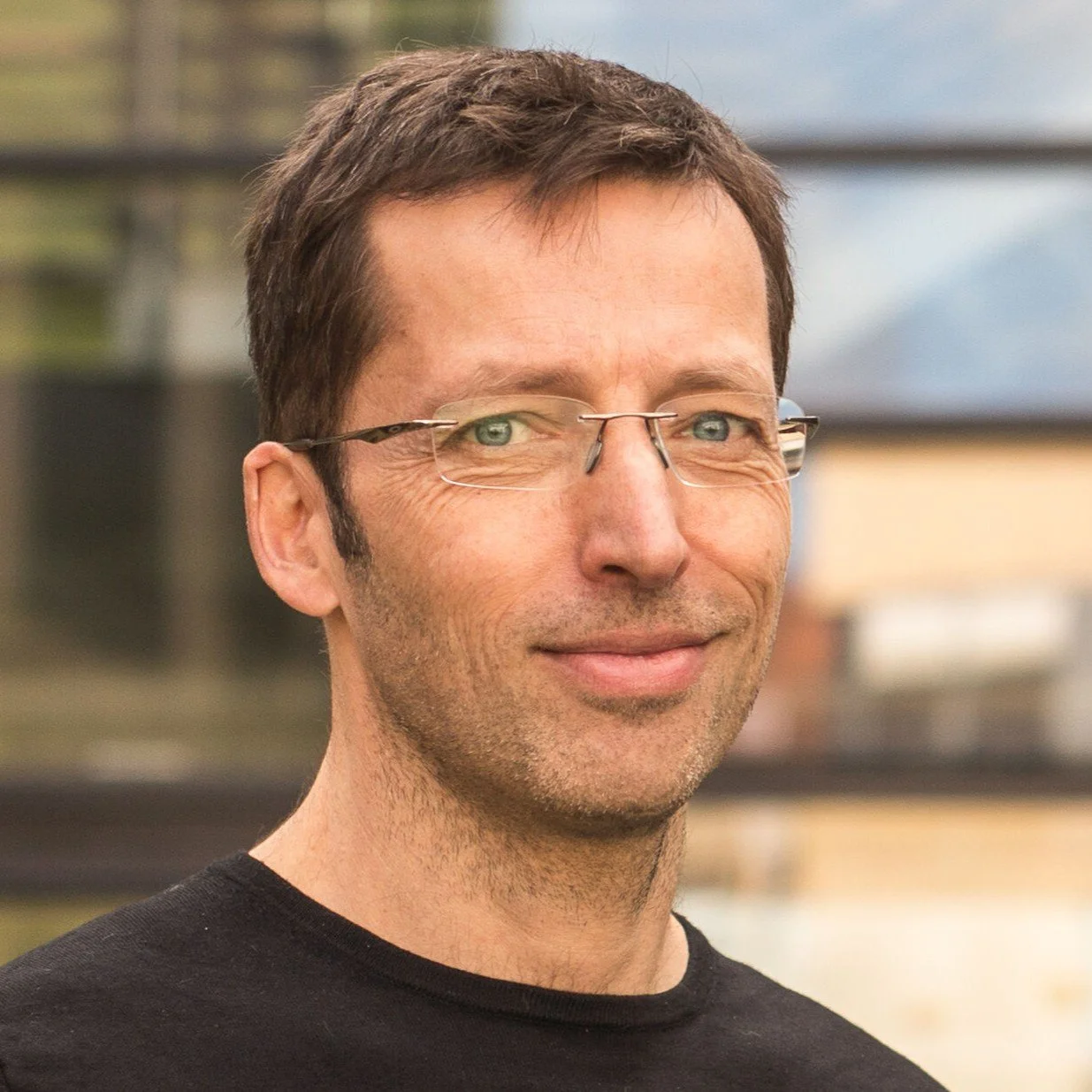
Waste to value: microbial electrochemical technologies for sustainable water, material, and energy cycles
Prof Uwe Schröder explores how emerging microbially-powered technology could harness the untapped potential of wastewater—powering agriculture, global sanitation, and helping meet UN Sustainable Development Goals.
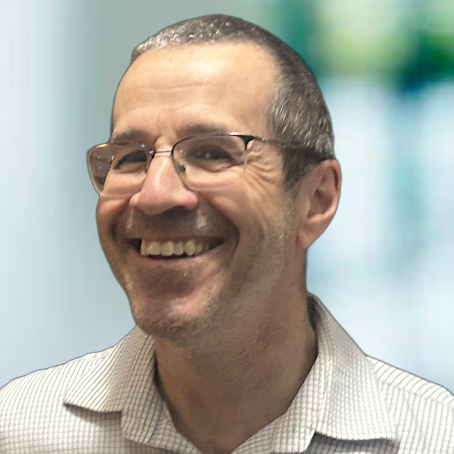
Balancing food safety and sustainability: trade-off risk assessments and predictive modeling
Prof Martin Wiedmann explores how risk-based decision-making approaches to foodborne pathogens can build healthier, more sustainable, and more resilient food systems.
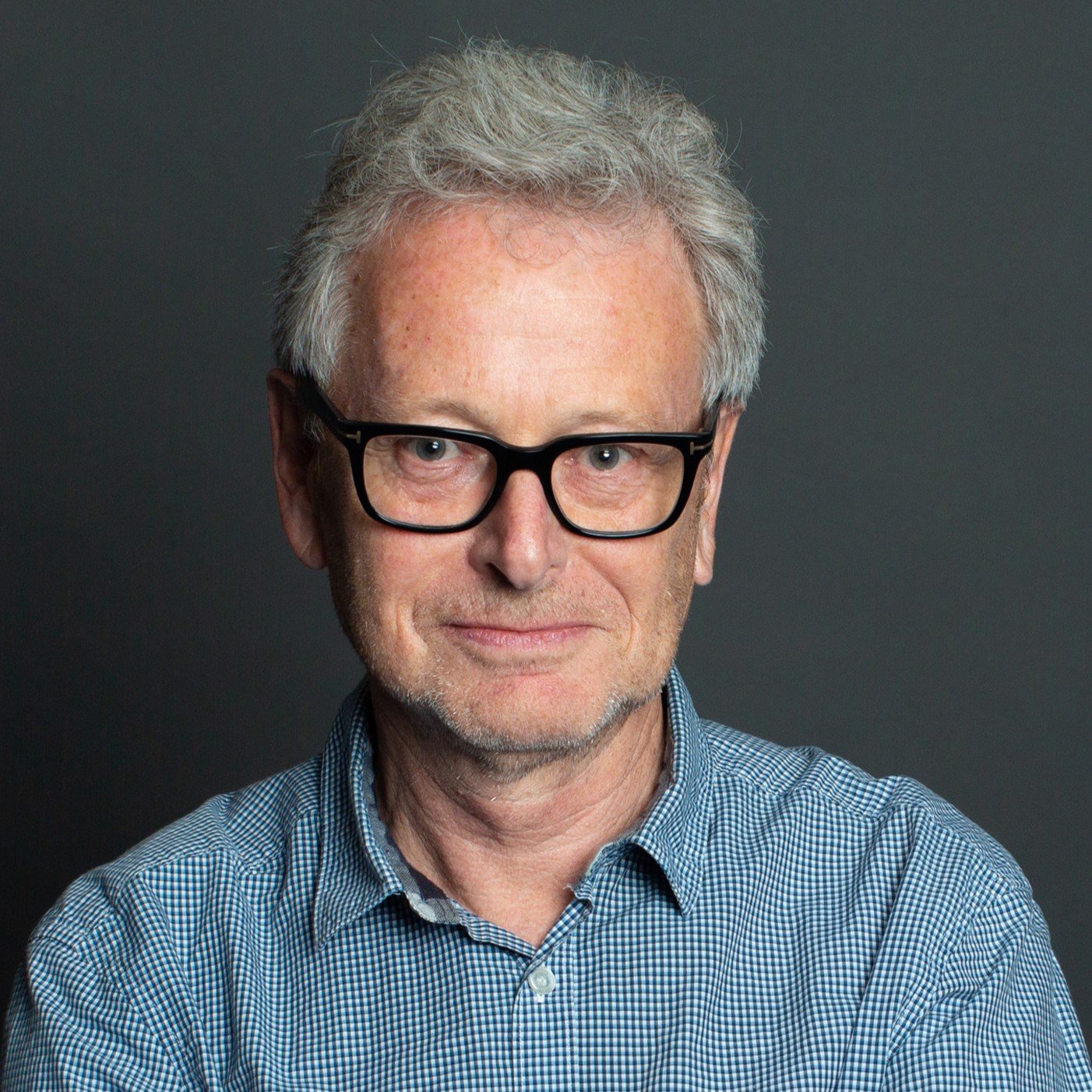
Obesity and climate change: co-crises with common solutions
Prof Jeff Holly explores how to change obesogenic, unsustainable food environments to achieve healthier, more sustainable outcomes for people and the planet.
Breaking the memory wall: next-generation artificial intelligence hardware
Prof Kaushik Roy explores how next generation AI hardware—powered by brain inspired algorithms—can break the memory wall and enable faster, more efficient, and adaptable AI.
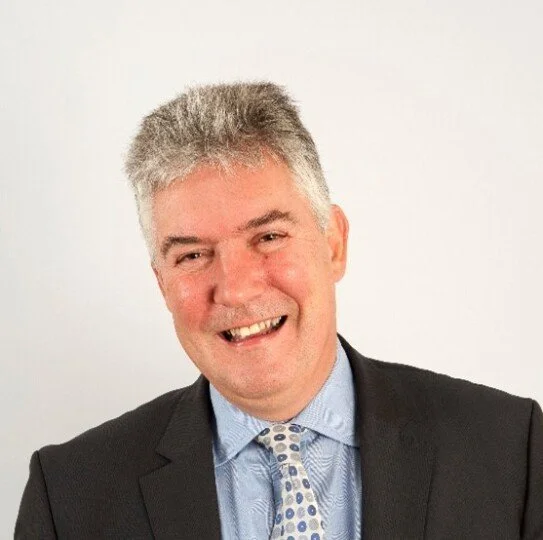
Plastic pollution under the influence of climate change
Prof Frank Kelly explores how the climate crisis exacerbates plastic pollution—affecting the distribution, exposure, and impacts of plastics across ecosystems—and the actions needed to drive future solutions and systemic change.

Consciousness science: where are we, where are we going, and what if we get there?
Prof Axel Cleeremans explores consciousness science as it enters a new phase—moving beyond debate toward testable theories and collaborative research—and why this transition matters more than ever.
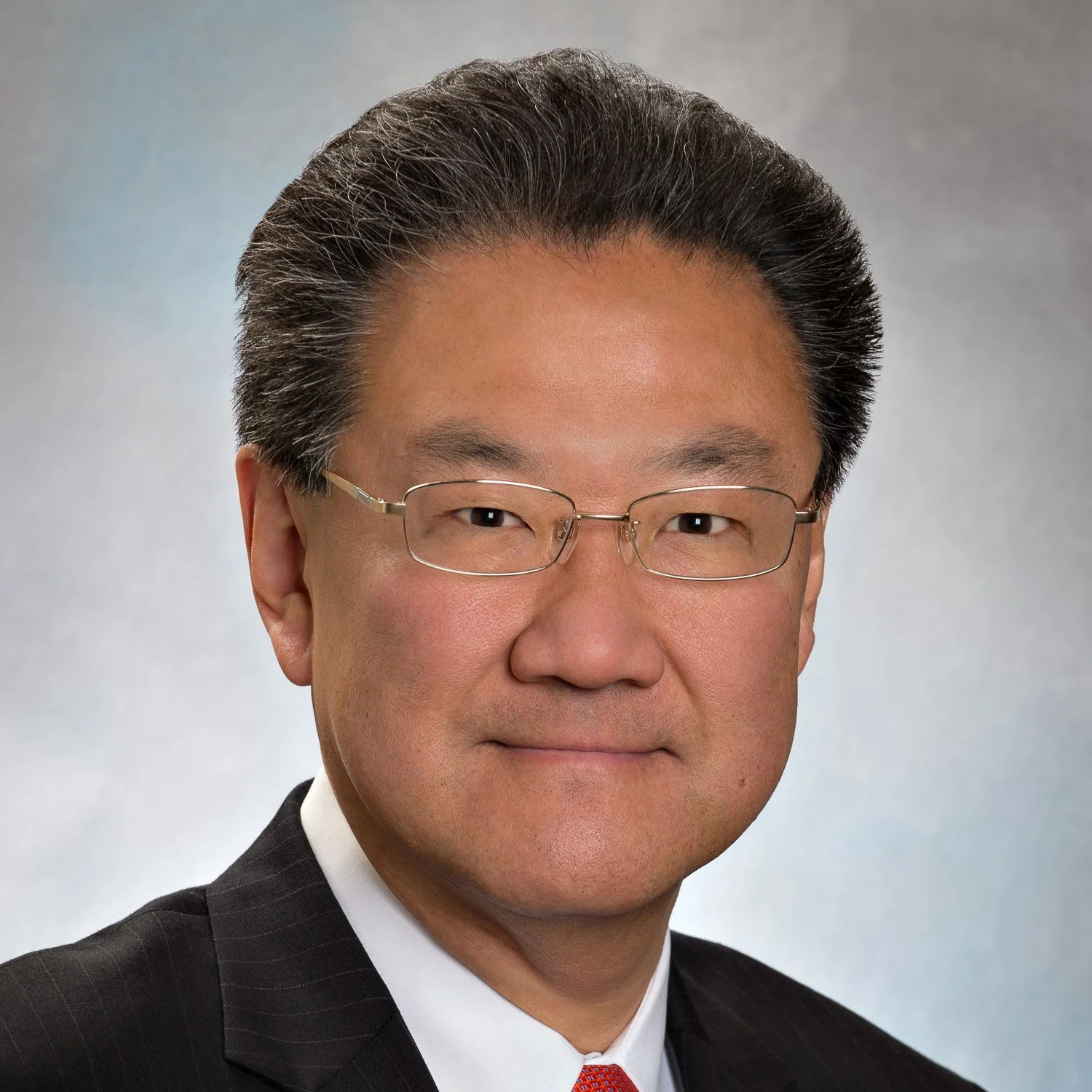
Precision cardiovascular medicine: shifting the innovation paradigm
Prof Masanori Aikawa explores how a comprehensive, integrative systems approach—using omics technologies, big data, and AI—could transform cardiovascular disease treatment worldwide.
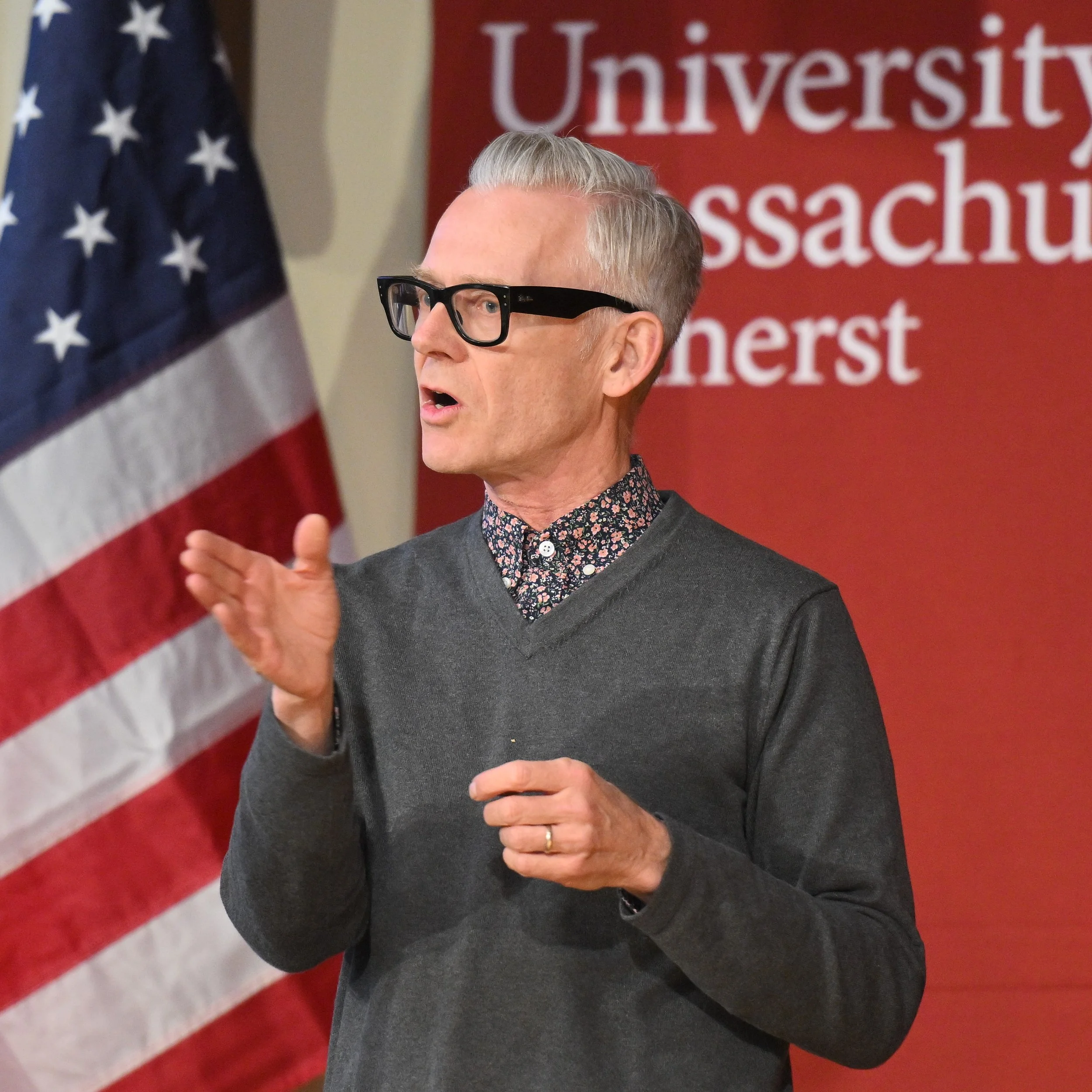
Hybrid alternative protein-based foods: designing a healthier and more sustainable food supply
Prof David Julian McClements and Prof David Kaplan explore the potential for hybrid alternative protein-based foods as healthier, tastier, more sustainable alternatives to animal products.

Safeguarding the polar regions from dangerous geoengineering: a critical assessment of proposed and future prospects
Prof Martin Siegert examines the technical feasibility, long-term costs, environmental risks, and governance limitations of five approaches polar geoengineering tools as a climate mitigation strategy.

The Earth BioGenome Project Phase II: illuminating the eukaryotic tree of life
Prof Harris Lewin outlines the next phase of the Earth BioGenome Project (EBP), which aims to sequence the DNA of all known eukaryotic species to protect biodiversity, improve global health, and drive scientific innovation.

Harnessing agri-food system microbiomes for sustainability and human health
Prof Paul Cotter explores how omics-based mapping of interconnected microbial networks is transforming our understanding of agri-food system microbiomes.

NANOSPRESSO: toward personalized locally produced nucleic acid nanomedicines
Prof Raymond Schiffelers explores a new point-of-care model for affordable, on-demand production of personalized nucleic acid nanomedicines that could revolutionize how hospitals treat rare diseases.

Breakdown and repair of metabolism in the aging brain
Prof Henry Markram explores a new open-source model of brain metabolism which could accelerate research into interventions to protect and repair the aging brain.

Deciphering sepsis: transforming diagnosis and treatment through systems immunology
Prof Robert Hancock explores how systems immunology could revolutionize sepsis diagnosis and treatment—improving patient outcomes and saving millions of lives.

Exploring the last untouched ocean ecosystems
Dr Enric Sala explores the wonders of untouched marine ecosystems and the practical changes we can all make to preserve and protect our oceans.

Photocatalytic water splitting for large-scale solar-to-chemical energy conversion and storage
Prof Kazunari Domen explores new technologies in solar water splitting to create cost-effective renewable hydrogen and meet global energy demands.

Adapting crops for climate change: regaining lost abiotic stress tolerance in crops
Prof Sergey Shabala explores precision breeding strategies for optimizing stress tolerance in crops—reducing their vulnerability to climate extremes and boosting food security.